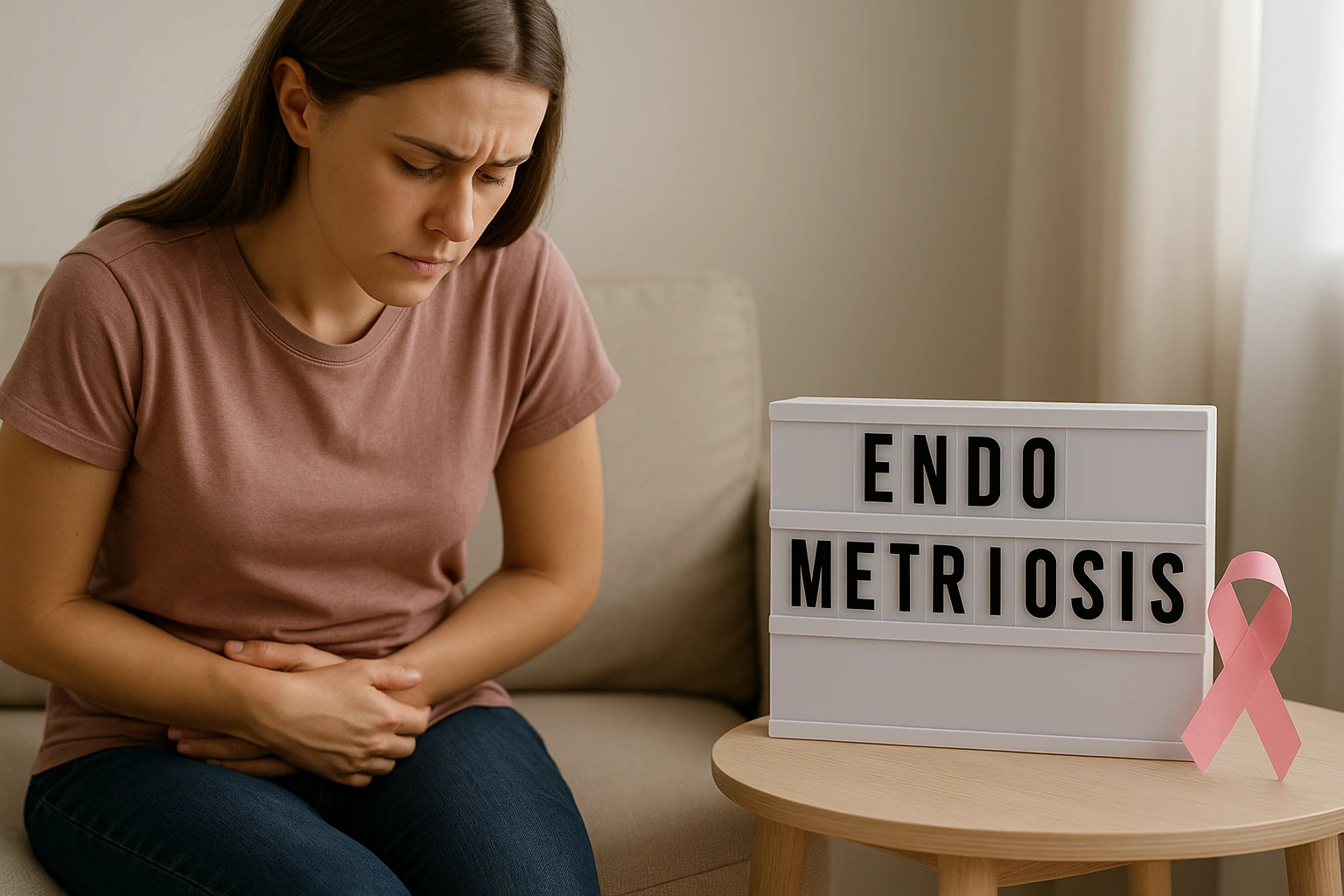
Why Endometriosis affects Fertility?
Endometriosis is a condition where tissue similar to the uterine lining grows outside the uterus—on the ovaries, fallopian tubes, bladder, or pelvic lining.
This abnormal growth leads to pain, inflammation, and sometimes scarring, making it difficult for the egg and sperm to meet, or for the embryo to implant.
At Gulmohar IVF in Panchkula, we help women with all stages of endometriosis navigate fertility challenges with clarity and compassion.
How Endometriosis Affects Fertility
- Blocked fallopian tubes from scar tissue or adhesions
- Damaged ovaries or poor egg quality from inflammation
- Hormonal imbalances that affect ovulation
- Poor embryo implantation due to an altered uterine lining
- Immune system changes that interfere with embryo development
Many women with endometriosis may not even realize they have it until they face difficulty in conceiving.
💡 Related Read: Learn when to get help in Common Causes of Infertility & When to Seek a Specialist
Symptoms of Endometriosis You Shouldn’t Ignore
- Painful periods (dysmenorrhea)
- Pain during or after sex
- Heavy menstrual bleeding
- Pain while urinating or passing stool
- Fatigue or bloating
- Difficulty conceiving after 6–12 months of trying
Not every woman with endometriosis has pain. Some only find out during fertility tests. That’s why early evaluation is key.
Diagnosing Endometriosis at Gulmohar IVF
- Pelvic ultrasound to check ovarian cysts (endometriomas)
- Hormonal evaluation
- Diagnostic laparoscopy (minor surgery to visually confirm endometriosis)
- Fertility assessment for egg reserve, fallopian tube health, and sperm quality
Fertility Treatment Options for Women with Endometriosis
1. Lifestyle and Medical Management (for mild cases)
- Hormonal medications to reduce flare-ups
- Anti-inflammatory diet and stress reduction
- Pain relief medications
2. Surgical Treatment
- Laparoscopic surgery to remove endometrial growths
- Improves chances of natural conception, especially in mild-to-moderate cases
3. IUI (Intrauterine Insemination)
- Suitable for women with mild endometriosis and open tubes
- Sperm is directly placed into the uterus during ovulation
- Can be combined with ovulation stimulation medications
4. IVF (In Vitro Fertilization)
For moderate to severe endometriosis, IVF offers the best success rates.
- Eggs are retrieved directly from the ovaries
- Fertilized outside the body
- Healthy embryos are transferred into the uterus
💡 Related Read: Learn how IVF has improved in How IVF Technology Has Advanced Over the Years
5. Frozen Embryo Transfer (FET)
In some cases, we recommend:
- Freezing embryos first
- Treating endometriosis with medications or surgery
- Then doing a frozen embryo transfer in a better uterine environment
Can You Get Pregnant Naturally with Endometriosis?
Yes, many women with mild to moderate endometriosis conceive naturally.
But if you’ve been trying for more than 6–12 months, or have severe symptoms, it’s best to consult a fertility specialist early.
💡 Related Read: Explore your treatment roadmap in IVF vs. IUI: Which Fertility Treatment is Right for You?
Final Thoughts: Don’t Let Endometriosis Define Your Fertility Journey
Endometriosis can be challenging, but it does not mean infertility is permanent.
With expert care and timely treatment, many women go on to have healthy pregnancies.
At Gulmohar IVF, Panchkula, we offer:
✔ Comprehensive endometriosis diagnosis
✔ Personalized fertility plans
✔ Expert IVF and surgical care
✔ Emotional support through your journey
📍 Clinic Address: 289, Sector 7, Near Geeta Chowk, Panchkula, HR (India)
📞 Call Us: +91 9780 355 355
📅 Book Consultation with Dr. Renu Lamba
FAQ: Endometriosis & Fertility
1. Can endometriosis be cured permanently?
There’s no permanent cure, but symptoms can be managed, and fertility can often be restored with treatment.
2. Can I do IVF if I have endometriosis?
Yes. IVF is one of the most effective treatments for moderate to severe endometriosis-related infertility.
3. Will surgery guarantee pregnancy?
Surgery improves chances—especially in mild-to-moderate cases—but doesn’t guarantee pregnancy.
4. Does endometriosis get worse over time?
It may progress if left untreated, so early diagnosis and care are important.